

Why Osteoarthritis Is Such a Pain–And How Physical Therapy Can Help
Why Osteoarthritis Is Such a Pain–And How Physical Therapy Can Help
Persistent joint pain can severely hamper your lifestyle. One of the more common causes of persistent and chronic joint pain, particularly among older people, is osteoarthritis, a degenerative condition that causes joint inflammation.
People with osteoarthritis (OA) will struggle with pain and stiffness in the affected joints, making it difficult to live the type of active lifestyle that could help them manage their symptoms. If you’ve been diagnosed with OA, the physical therapists at King Physical Therapy can help you better understand the condition, ensuring you get the relief you need. Call us today to learn more.
What Is Osteoarthritis? Examining the Causes and Risk Factors
Osteoarthritis is the most common form of arthritis in the world, affecting around 3.5% of the global population–and nearly 32.5 million Americans. Its primary symptoms are joint pain and immobility; if left unaddressed, it can profoundly impact your overall quality of life.
But how do you address OA, a condition with no current cure? We can start by looking at what causes the joint inflammation. The joints in your body contain two materials that help protect the bones:
Cartilage
a flexible tissue that acts as a shock absorber and prevents the bones in a joint from rubbing against each otherc
Synovial fluid
a substance that lubricates your joint whenever you move
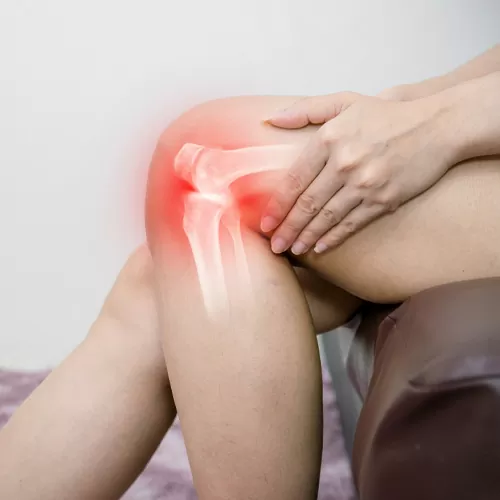
Osteoarthritis occurs when these materials degenerate, causing your bones to rub against each other. Without protection from cartilage and synovial fluid, basic joint movements become painful, the joint tissue becomes inflamed, and your range of motion diminishes.
But what causes that degeneration? Researchers aren’t sure, but it’s tied to aging–your risk of developing osteoarthritis increases as you get older. Around 80% of people over 65 have radiographic evidence of osteoarthritis in their joints, although not all of them experience symptoms.
Certain factors beyond aging can also increase your risk of developing osteoarthritis. Most of these factors contribute to the tissue degeneration that causes OA:
- Genetics
- Past injury to a joint (particularly a weight-bearing joint)
- Jobs that require repetitive squatting, bending, or twisting
- Excess weight
How Do I Know If It’s Osteoarthritis?
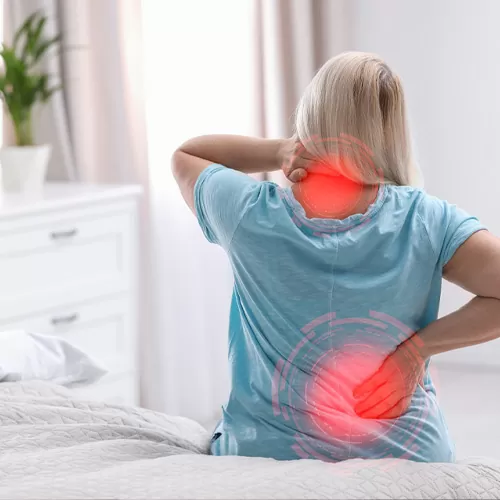
There are many reasons someone might experience joint pain beyond osteoarthritis, so it is important to seek out an expert, such as the physical therapists at King Physical Therapy, for a diagnosis. That said, certain types of pain and other symptoms could indicate you’ve developed OA, especially if you’re over 50:
- Pain that flares up during activity but lessens with rest.
- Pain when you press on the joint.
- Joint stiffness, particularly first thing in the morning–it’ll usually ease up after about 30 minutes.
- Cracking, crunching, or creaking noises in the joint (officially known as crepitus–those sounds are the bones rubbing together).
When you visit us for your initial appointment, our therapists will conduct a detailed physical assessment that considers your health history, OA risk factors, and symptoms. We’ll also conduct several movement screens that test your range of motion, strength, and balance, which can help develop the best treatment plan for your needs.
Movement: The Best Medicine for OA
It might sound contradictory, but exercise is crucial in treating and managing osteoarthritis. Your joints want to move, and moving them regularly keeps them healthy and lubricated.
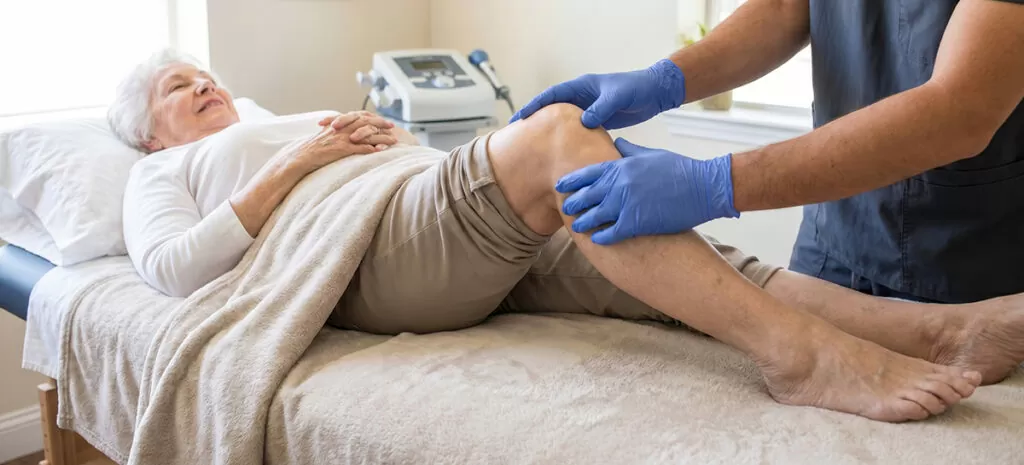
For this reason, physical therapy plays a big role in helping you manage osteoarthritis, especially if you want to avoid surgery. We’ll work closely with you to develop a tailored exercise program that suits your needs and ability levels, focusing on low-impact activities like walking, biking, or swimming.
We can also help with other areas of OA management, such as…
- Educating you on OA and various self-management strategies.
- Providing drug-free pain relief through manual therapy techniques.
- Working with you to improve your joint’s range of motion so you can move more freely.
- Helping you improve your balance and walking patterns. While OA can affect any joint, it’s most common in weight-bearing joints like the hips or knees, which make it difficult for you to move around.
Don’t Let Osteoarthritis Cramp Your Style!
Suspect you may have OA? Recently diagnosed and seeking treatment? The experts at King Physical Therapy can help. Call today to schedule your appointment!

Love Your Experience at King Physical Therapy?
Your feedback helps others discover the quality care, personalized treatment, and support our team provides every day. Share your experience and let others know how King Physical Therapy has helped you reach your goals.
✍️ Leave Us a ReviewExercise of the Month
FIGURE 4 BRIDGE
Begin on your back. Bend your knees and keep your back flat on the ground. Cross one leg over the other so that your legs make a “4”. Gently, contract your abdominals and hold to keep your back flat as you move up into the bridge position. Remember to breathe. Gently, squeeze your butt muscles and lift your hips off the ground. The goal is to have your hips aligned with your knees and shoulders.
3 Sets, 10 Reps.


Healthy Grilling For Arthritis Relief
Looking forward to cookouts? You don’t have to skip the grill! Making a few simple food swaps can help reduce inflammation, support joint health, and keep your favorite summer traditions healthier.
Main Dishes
🍄 Meaty Mushrooms
Try replacing greasy burgers and hot dogs with mushrooms marinated in olive oil, balsamic vinegar, and lemon juice. These ingredients provide immune-supporting nutrients, while olive oil contains oleocanthal, a powerful anti-inflammatory compound.
Condiments
🌿 Fresh Salsa
Swap sugary ketchup for antioxidant-rich salsa or pico de gallo. It adds fresh flavor while providing nutrients with very little fat or calories.
🍅 Olive Oil Spreads
Olive oil pesto and sundried tomato spreads provide anti-inflammatory benefits from ingredients like basil, olive oil, and tomatoes.
Side Dishes
🥗 Bean Salad
Instead of mayo-based salads, choose bean salad for fiber, protein, and anti-inflammatory nutrients that support overall wellness.
🍅 Caprese Salad
Fresh tomatoes, buffalo mozzarella, basil, balsamic vinegar, and olive oil create a delicious side packed with lycopene and healthy fats.
Thank You for Subscribing!
Follow Us on Facebook

Stay connected with King Physical Therapy on Facebook! Follow us for expert tips on injury prevention, wellness inspiration, and updates on services—all designed to keep you moving and feeling your best.

Ingredients
- 1 (32-ounce) can whole tomatoes, drained
- 1 cup fresh basil leaves
- 4 tablespoons extra-virgin olive oil
- 6 cloves garlic, peeled
- Kosher salt
- Freshly ground black pepper
- 2 large French baguettes, sliced into 1-inch slices (about 36 slices)
- 1½ pounds fresh mozzarella cheese, sliced ¼-inch thick
Directions
- Preheat oven to 375°F.
- In a food processor, combine the drained tomatoes, basil, olive oil, and 2 garlic cloves. Pulse until smooth but still slightly chunky.
- Season the tomato mixture with kosher salt and freshly ground black pepper.
- Arrange the baguette slices on a baking sheet and toast for about 3 minutes.
- Rub the toasted side of each slice with the remaining garlic cloves.
- Top each slice with a piece of fresh mozzarella and return to the oven for about 45 seconds, just until the cheese softens.
- Spoon about 1 tablespoon of the tomato mixture onto each slice.
- Transfer to a serving platter, garnish with fresh basil leaves, and serve immediately.
Meet Our Team

Karla King
PT, MPT, Cert. MDT

Suzanne Gregory
PT, MPT

Monique Mangram
Office Staff