

How Your Gait Can Reveal the Source of Pain
How Your Gait Can Reveal the Source of Pain
Your Walking Pattern Might Be Telling You Something Important About Your Health
Have you ever truly paid attention to the way you walk? Most of us don’t think much about it–at least, not until we start feeling pain. At that point, we often become extremely aware of our gait!
It shouldn’t be a surprise, then, that the way we walk can tell a lot about what’s going wrong in our bodies. In fact, gait is one of the key factors that the King Physical Therapy physical therapists will consider when we’re trying to determine the reason for your pain. Like a good detective, a physical therapist can often pinpoint the source of pain just by watching you walk for a few minutes.
Let’s explore how we do it!
It All Starts with a Gait Analysis
Your gait refers to the particular movements you adopt when you walk. Everyone has their own unique gait, but certain movement patterns can lead to postural issues, muscular imbalances, or excess strain on your joints.
A gait analysis helps us identify these factors. We’ll watch how you walk so we can assess the following:
- How and where you shift your weight during steps
- How you adjust to the pressure on your joints or change your step or stride length
- How you absorb the impact when the foot hits the ground
What Are We Looking For?
During a gait analysis, we’re looking for several factors that can contribute to pain and dysfunction, including:
- Symmetry: Are you favoring one side over the other?
- Stride Length: Is one step shorter than the other?
- Foot Positioning: Are your feet angled as you walk?
- Smoothness of Movement: Does your walk look jerky or hesitant?
This information helps us better understand your pain and, more importantly, what we can do to address it. What surprises many people is that a gait analysis isn’t just about revealing pain in your foot or ankle. It can actually reveal dysfunction throughout your entire lower body!

Three Ways Your Walk “Talks the Talk”
Hip Pain
If your hip is the culprit, your gait might show a “limping” pattern, where you favor one leg and appear to minimize the time spent on the affected leg because it hurts. This can look like you’re hesitating or shifting your body side to side with each step. Our PTs notice these subtle shifts when they see that your stride is shorter on one side.
Knee Pain
Knee pain changes your gait by making you less likely to fully straighten the affected leg when you step. This can cause a noticeable limp or a “shuffling” effect because of the effort put into avoiding bending the knee too much.
Foot and Ankle Pain
Foot and ankle pain can alter your gait in several ways, depending on where the pain is located. You might walk on the tip of your toes or excessively on the heel to avoid putting pressure on the painful part. This can lead to an uneven or awkward walk.
After the Gait Assessment, It’s Time for Treatment
Our comprehensive gait assessment is just the first step in your care, however. Once we understand your pain, we’ll create a personalized physical therapy plan designed to alleviate it and help you prevent it from returning. Here are some of the techniques we might suggest:
- Manual Therapy: Hands-on techniques to alleviate and manage pain and improve range of motion in the affected joint.
- Therapeutic Exercises: Targeted movements to stretch and strengthen the muscles around the affected area to correct weakness and improve mobility.
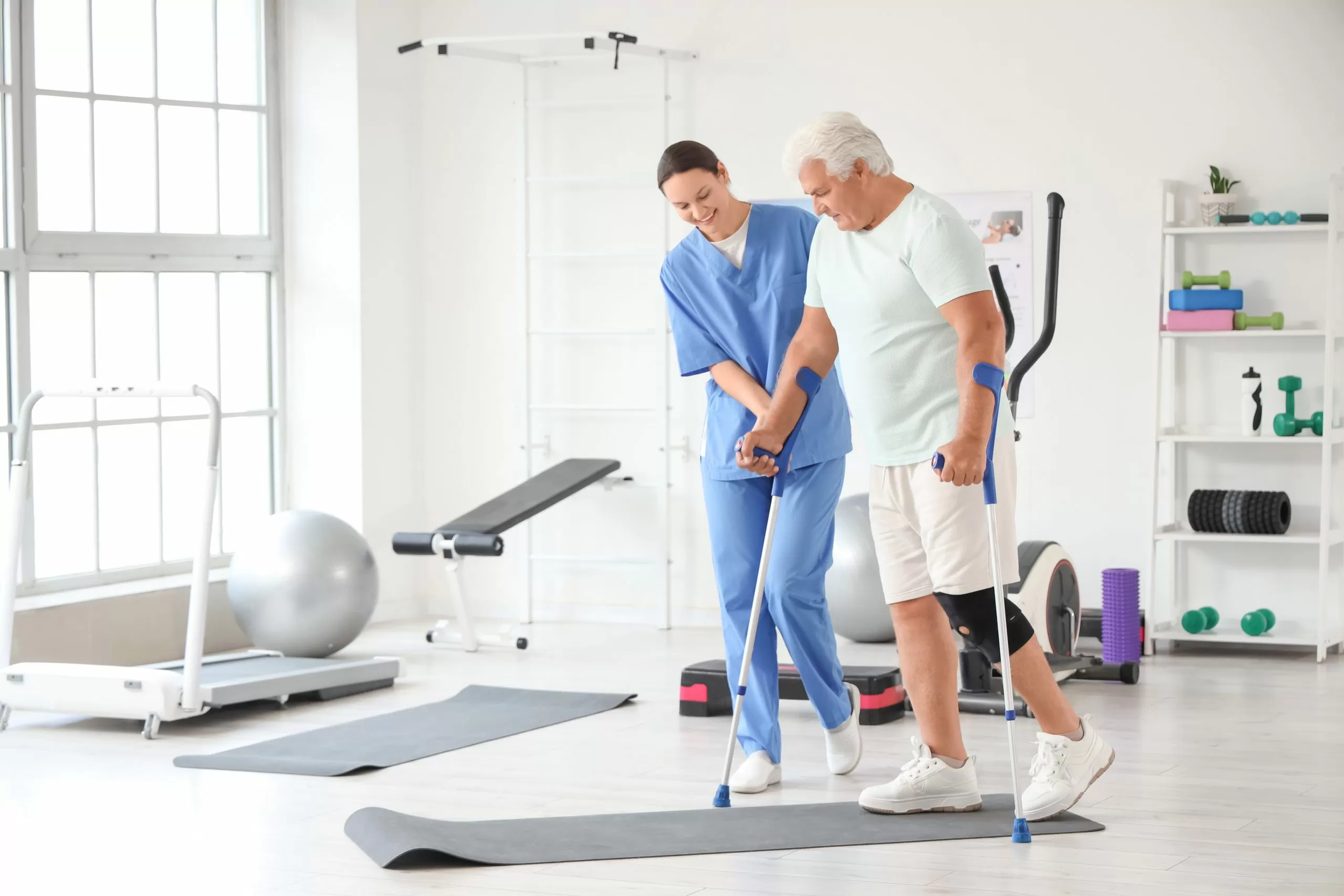
- Assistive Devices: Temporary use of tools like braces, crutches, or walking boots to help promote healing while you recover.
- Education: Teaching you about strategies and techniques to avoid further injury.
Book an Appointment at King Physical Therapy Today!
Pain should not be a normal part of your daily life. If you notice changes in how you walk or are experiencing pain in your hip, knee, or foot, it’s crucial to seek help from our team of physical therapists.
Early intervention can prevent further injury and help you maintain your mobility and quality of life every step of the way.
Sources: https://www.choosept.com/guide/physical-therapy-guide-to-osteoarthritis-of-hip, https://www.physio-pedia.com/Gait

Walk Your Way To Better Health
When was the last time you went for a stroll around your neighborhood or explored a local nature trail? Walking is a wonderful leisure activity and a great way to spend an afternoon. It also offers several health benefits that contribute to overall well-being, including enhanced cardiovascular health, cognitive function, and mood.
Why Walking is a Powerhouse Exercise
1. It reduces your risk of lifestyle diseases.
Walking at a brisk pace for just 30 minutes a day offers significant health benefits. Walking:
- Strengthens the heart
- Improves circulation
- Enhances bone health
- Helps maintain healthy blood pressure levels
2. It’s accessible.
Walking is a low-impact exercise that requires no special equipment or training. It’s a great choice for people of all ages and fitness levels. Just starting out? Go for a walk around the block. Looking for a challenge? Try a strenuous hiking trail.
3. Outdoor walking has extra benefits.
While you can walk indoors on a treadmill, walking outdoors gives you an extra health boost. It exposes your body to natural sunlight, a vital source of vitamin D that improves immune function, mood regulation, and bone health.
So, if you’re looking for a simple way to tangibly improve your health, incorporate regular walks into your routine! Worried about gait issues or pain? Our team can help you find a walking routine that works for you.
Sources: https://www.ncbi.nlm.nih.gov/pmc/articles/PMC9798720/
Take the First Step Toward Pain-Free Walking
Don’t wait for pain to change the way you move. Whether you’ve noticed a limp, a shorter stride, or pain in your hip, knee, or foot, the expert team at King Physical Therapy is here to help. Call us today or click here to schedule your initial consultation and let us build a personalized plan designed just for you!
Love Your Experience at King Physical Therapy?
Your feedback helps others discover the quality care, personalized treatment, and support our team provides every day. Share your experience and let others know how King Physical Therapy has helped you reach your goals.
✍️ Leave Us a ReviewExercise of the Month
Side Lying Hip Abduction
(Hips, Glutes)
Begin by lying on your side with your head supported by a pillow, hips stacked, and your bottom knee bent at 45 degrees to provide a stable base. Bracing your abdominals, slowly lift your top leg, keeping your foot parallel to the ground, hold as instructed, and then slowly lower your leg back to the floor. 3 Sets, 10 Reps. (Materials needed: pillow)

Thank You for Subscribing!
Follow Us on Facebook

Stay connected with King Physical Therapy on Facebook! Follow us for expert tips on injury prevention, wellness inspiration, and updates on services—all designed to keep you moving and feeling your best.

Ingredients
- 10 ounces pappardelle pasta
- 2 tablespoons extra-virgin olive oil, plus more for drizzling
- ½ medium yellow onion, diced
- 1 medium carrot, finely chopped
- 8 ounces cremini mushrooms, stemmed and finely chopped
- 3 garlic cloves, chopped
- ½ teaspoon sea salt
- Freshly ground black pepper
- 1 teaspoon balsamic vinegar
- 1 teaspoon tamari
- 1½ cups cooked green or French green lentils, from ½ cup dry
- 24 ounces marinara sauce
- ½ cup Parmesan cheese or vegan Parmesan, for serving
- Fresh parsley, for garnish
Instructions
- Bring a large pot of salted water to a boil and prepare the pasta according to the package instructions, cooking until al dente. Drain and toss with a drizzle of olive oil to prevent sticking. Set aside.
- Heat the olive oil in a large skillet over medium heat. Add the onion and carrot and cook, stirring occasionally, for 5 to 8 minutes, or until softened. Add the mushrooms, garlic, salt, and several grinds of pepper and cook for another 5 to 8 minutes, stirring occasionally, or until the mushrooms are tender.
- Stir in the balsamic and tamari, then add the lentils and marinara. Cook, stirring, for 2 minutes, or until the sauce is well-combined and heated through.
- Add the pasta to the skillet and toss to combine. Portion onto plates and serve with Parmesan and fresh parsley for garnish.
Meet Our Team

Karla King
PT, MPT, Cert. MDT

Suzanne Gregory
PT, MPT

Monique Mangram
Office Staff