

Physical Therapy’s Role in Managing Osteoporosis

Physical Therapy’s Role in Managing Osteoporosis
Abigail (not her real name) didn’t know she had osteoporosis until she slipped on a rug in her home and broke her hip. As a small-framed, 56-year-old woman, she knew she had a higher risk of developing the condition–but the lack of symptoms had led her to believe she was in the clear.
Stories like Abigail’s are common. In fact, osteoporosis is sometimes called a “silent” disease because it has very few outward symptoms. Like Abigail, many people only learn they have it after suffering a fracture in circumstances that wouldn’t normally cause a broken bone.
While Abigail’s hip fracture was frightening, it did let her know that she needed to take steps to slow the progression of her osteoporosis. She knew she couldn’t do it alone, so she visited the team at King Physical Therapy for expert guidance.
We provided Abigail with a personalized exercise program aimed at strengthening her bones without putting her at risk for another fracture or injury. While she couldn’t cure her condition, she was able to improve her overall bone health and density.
If you’ve recently learned you have osteoporosis–or if you’re at a high risk for it–give us a call to set up an initial consultation!
What Is Osteoporosis?
Osteoporosis is a bone disease that causes changes in your bone structure–namely, low bone density. These changes weaken your bones and increase the likelihood that you’ll suffer a fracture in everyday situations.
As mentioned, osteoporosis has no obvious symptoms. The biggest sign that someone has osteoporosis is suffering a fragility fracture–a broken bone resulting from a minor trauma (like falling from standing height).
Some people will also develop back pain that leads to an osteoporosis diagnosis, but it’s important to understand that osteoporosis in and of itself does not cause pain. Instead, it can cause a spinal compression fracture, which is where the pain comes from.
Understanding Your Risk Factors
Osteoporosis is common, affecting over half of Americans aged 50 or older. However, certain factors make it more likely that you’ll develop the condition, including the following:
- Being a woman (however, men still develop osteoporosis, too)
- Advanced age (your risk increases as you get older)
- Having a small frame or low weight
- Excessive smoking, alcohol, and caffeine consumption
- A sedentary lifestyle, especially a lack of weight-bearing exercise
If you have a higher risk of developing osteoporosis, you can work to prevent the condition by improving bone strength through exercise and proper nutrition. However, some risk factors are simply out of our control–there is, for example, a genetic component to the condition.
Fortunately, good bone health will benefit you regardless!

How We Can Help You Manage Osteoporosis
Our physical therapists have a keen understanding of your body’s musculoskeletal system–including how to improve bone health through exercise.
Bone is like muscle in that it will grow when properly challenged. You can challenge bone through two types of exercise:
- Weight-bearing exercises such as dancing, walking, or running
- Resistance exercises such as lifting barbells, using exercise bands, or performing bodyweight strength exercises (i.e., pushups)
If you haven’t yet developed osteoporosis, now’s the time to start incorporating these types of exercises into your routine! Our PTs can give you guidance on how to do so effectively.
If you have developed osteoporosis, these exercises are still very beneficial. However, it’s crucial that you work with a physical therapist to create a personalized treatment plan that will minimize your risk of injury. We’ll let you know which exercises are safest for you and ensure you use the proper form.
Our physical therapists can also…
- Provide treatment if you do suffer a fracture
- Improve your balance to reduce your fall risk
- Help minimize fall risk through environmental modifications
- Adjust and correct your posture
Make An Appointment to Learn More
Developing osteoporosis doesn’t mean you have to give up the activities you love. With exercise and expert guidance, you can improve your bone health and live your life to the fullest.
Request your appointment with King Physical Therapy today to learn more about how we can help you!
Sources: https://www.choosept.com/guide/physical-therapy-guide-osteoporosis, https://www.sciencedirect.com/science/article/abs/pii/S0967586820301818

How Nutrition Can Help Improve Bone Health
When it comes to improving bone health and density, most people immediately think of resistance training and weight-bearing exercise. But did you know nutrition also plays a key role?
Certain nutrients, including calcium, vitamin D, protein, and more, all contribute to building strong, healthy bones. Eating a diverse diet rich in fruits and vegetables is one of the best ways to ensure you get the nutrients you need. Here are some suggestions to get you started.
Calcium
- Dairy like milk, cheese, and yogurt
- Leafy greens like collards, turnip greens, and kale
- Broccoli and okra
Vitamin D
- Certain types of fish, including salmon and tuna
- Foods that have been fortified with vitamin D (like milk–get your calcium and vitamin D in one go)
Protein
- Nuts, seeds, and legumes
- Fish and chicken
- Dairy products
- Whole grains
Older people sometimes struggle to get the nutrients they need because their appetites decrease. Putting a little more thought into your meal planning can ensure you’re getting everything you require.
The physical therapists at King Physical Therapy can provide additional guidance on the lifestyle factors that promote good bone health. Schedule an appointment to get started.
Sources: https://www.bonehealthandosteoporosis.org/patients/treatment/nutrition/
Take Control of Your Bone Health Today
Don’t wait for an unexpected fracture to start prioritizing your bone health. Whether you have recently been diagnosed with osteoporosis or want to proactively lower your risk, the expert team at King Physical Therapy is here to help. Call us today or click here to schedule your initial consultation and let us build a safe, personalized exercise plan designed just for you!

Love Your Experience at King Physical Therapy?
Your feedback helps others discover the quality care, personalized treatment, and support our team provides every day. Share your experience and let others know how King Physical Therapy has helped you reach your goals.
✍️ Leave Us a ReviewExercise of the Month
Lunges
(Legs, Glutes, Core)
Stand tall with your feet hip-width apart. Step one foot backward and lower your back knee toward the floor, keeping your front knee aligned over your ankle. Push through your front heel to return to the starting position. Alternate legs with each rep. 3 Sets, 10 Reps (each leg). (Materials needed: none)

Thank You for Subscribing!
Follow Us on Facebook

Stay connected with King Physical Therapy on Facebook! Follow us for expert tips on injury prevention, wellness inspiration, and updates on services—all designed to keep you moving and feeling your best.

Ingredients
- Crispy Oyster Mushrooms:
- 6 oz oyster mushrooms (170 g), torn into bite-sized pieces
- 1 tablespoon butter
- 1 tablespoon oil
- 2-3 sprigs fresh thyme
- Salt and black pepper to taste
- Creamy Spicy Mushroom Udon:
- 2 Packs udon noodles fresh or frozen, about 14–16 oz (400–450 g) total
- 5-6 fresh shiitake mushrooms, thinly sliced
- 1 Large shallot, finely chopped
- 4 cloves garlic, minced
- 1½-2 tbsp gochujang (Korean red chili paste), depending on spice preference
- 1 cup heavy cream
- ¼–½ Cup water or chicken/vegetable broth, as needed
- Salt and black pepper to taste
- Green onion, sliced (for garnish, optional)
Directions
- Make the crispy mushrooms: Heat the butter and oil in a large pan over medium-high heat. Add the oyster mushrooms and thyme, season lightly with salt and black pepper, and pan-fry for 4–5 minutes, stirring occasionally, until golden brown and crispy around the edges. Remove and set aside.
- Build the sauce: In the same pan, add the shallot, garlic, and sliced shiitake mushrooms. Sauté over medium heat for 3–4 minutes, until the shallots soften and the mushrooms are lightly golden.
- Make it creamy and spicy: Add the gochujang and stir for about 30 seconds. Pour in the heavy cream and ¼ cup water or broth, then mix until the gochujang is fully incorporated and the sauce is smooth.
- Add the udon: Add the udon noodles directly into the sauce. Turn the heat to high and cook for 2–3 minutes, tossing constantly until the noodles separate and are completely coated in the creamy sauce. Add another splash of water or broth if the sauce becomes too thick.
- Serve: Taste and adjust with salt and black pepper. Divide between two bowls and top generously with the crispy oyster mushrooms and green onion.
Meet Our Team

Karla King
PT, MPT, Cert. MDT

Suzanne Gregory
PT, MPT
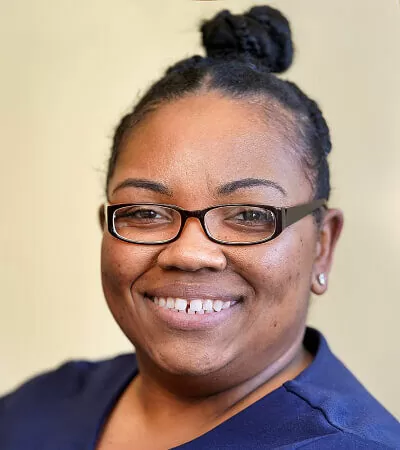
Monique Mangram
Office Staff