
Do You Have Difficulty Walking Due to Balance/Gait Issues?

Do You Have Difficulty Walking Due to Balance/Gait Issues?
For Elizabeth, a vibrant 72-year-old retired teacher, life had always been about embracing every moment. She relished spending her days tending to her garden, meeting friends for tea, and sharing stories with her grandchildren. Yet, over time, something began to change, something she couldn’t quite grasp.
It started subtly. Elizabeth noticed that her once-steady gait had become somewhat unsteady. Her confident stride had given way to tentative steps. Each morning, as she rose from her bed, she couldn’t ignore the peculiar feeling of imbalance that now seemed to accompany her every move.
With a touch of anxiety creeping in, Elizabeth began to modify her daily routine. She avoided taking long walks, opting for shorter strolls instead. The thought of climbing stairs made her apprehensive, and she held onto handrails with an iron grip.
One sunny afternoon, over tea with a close friend, Elizabeth finally confided her concerns. Her friend gently suggested that Elizabeth consider seeking physical therapy to help address her balance and gait issues.
Hesitant but determined, Elizabeth decided to take the leap. She scheduled an appointment at King Physical Therapy to assess her condition and hopefully find a way to regain her confidence and mobility.

The First Step: A Comprehensive Evaluation
Elizabeth met with one of our skilled physical therapists with a lot of experience helping individuals like her on the day of her appointment. To begin, her therapist conducted a thorough evaluation, including questions about her medications, vision, and any other health concerns that could impact her stability.
Next, she performed a physical exam that included the following tests:
- Range of motion: The physical therapist assessed her range of motion in the joints of the lower extremities.
- Muscle strength: The therapist also tested her muscle strength in the lower extremities and core.
- Observation: Her physical therapist observed Elizabeth’s walking pattern and looked for abnormalities in her walking.
- Footwear: Finally, her footwear was evaluated to ensure it was appropriate for her daily routine and recreational activities.
As they reviewed the assessment results, her therapist explained that Elizabeth’s gait had patterns that were likely contributing to her feelings of instability and fear of falling. Fortunately, she also reassured her that they could work together to address these issues and help her regain her confidence.
Next Up: A Fall Risk Assessment
Her therapist also performed a fall risk assessment to get a complete picture. She asked Elizabeth more questions about her daily life, including specific questions about her home environment.
They discussed several measures to reduce obstacles at home that increase fall risks. Here are some common recommendations:
- Remove boxes, newspapers, electrical cords, and any other trip hazards from walkways.
- Move coffee tables, magazine racks, and plant stands from high-traffic areas.
- Secure loose rugs with a slip-resistant backing — or remove loose rugs from the home.
- Place non-skid mats, strips, or carpets on all surfaces that may get wet.
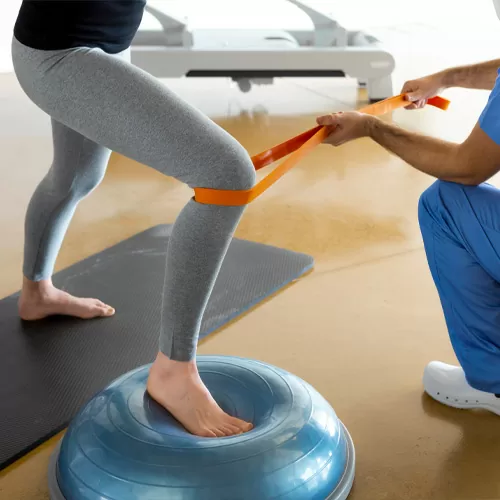
Her therapist then guided Elizabeth through a series of balance tests to identify specific areas of weakness or instability. These tests helped pinpoint the root causes of Elizabeth’s balance issues.
The Path to Recovery: Personalized Treatment Plan
With a comprehensive understanding of Elizabeth’s condition, her physical therapists designed a treatment plan tailored to her needs. The plan included a combination of mobility work, strengthening exercises, balance and coordination training, and gait activities.
As the weeks passed, Elizabeth noticed a remarkable transformation. Her unsteady steps began to regain their steadiness. She grew more confident with each session, and the fear of falling slowly ebbed away. She practiced walking on different surfaces and navigating obstacles under her therapist’s watchful eye, gradually rebuilding her trust in her abilities.
Regaining Confidence: Progress and Results
Elizabeth’s story is a powerful reminder that balance and gait issues can affect anyone, even without a specific injury or medical condition. Seeking the expertise of one of our skilled physical therapists can make all the difference in regaining confidence, improving mobility, and embracing life to the fullest.
If you or a loved one is struggling with balance and gait issues, don’t let the fear of falling hold you back. Reach out to King Physical Therapy today, and take the first step towards a safer, more stable future!
Join Us for a Healthier You – Book Today!
Achieve your health goals at King Physical Therapy—reserve your session today!

Our Patients Get Great Results
“I attended the free seminar in hopes of finding some relief of constant back pain. I was involved in an auto accident many years ago and suffered for (10+) years. I was at the point of looking to have surgery.
After the seminar I spoke to Karla, 1 on 1 and she knew she could help me in 10-12 visits. Well I was skeptical but I had nothing to lose I figured, so I signed up.
I had pain working in the garden, standing, washing dishes, bathing the dog, anything bending!
After 15 visits WOW! I can’t believe the difference. I now know the exercises to help my back. You have to be religious about doing the home exercises!!
The staff is dedicated and trained at working at any level to get you through your difficulties, but you have to be willing to put the time and effort into your healing!
I can’t say enough positive statements about that “Crew”, I love their dedication!
Thank you, Thank you, Thank you!!!”
-Lori H.
Exercise of the Month
ONE LEG BALANCE
With your hands on the back of a chair, countertop, or wall, slowly lift your uninjured leg upward behind you so that your weight lies on the leg with the injured ankle. Hold this position for 20 to 30 seconds and gradually progress to more seconds as you get stronger.
2 Sets, 1 Rep. (Materials needed: chair)


3 Tips to Improve Nutrition in the Fall
What do you think of when you hear the word fall? Crisp refreshing days? Bonfires and changing leaves? Pumpkin carving? What if you were to focus on your nutrition this fall?
The food we eat has a significant impact on several elements of our health, particularly our heart health. Obesity, weight gain, physical inactivity, stress, high blood pressure, and high cholesterol all increase the risk of heart disease and other cancers.
Considering the importance of nutrition, it’s never the wrong time to think critically about your diet. At King Physical Therapy, we know that fall can be busy, which is why we want to give you a few simple tips on how to improve your nutrition this season.
1. Try to eat more root vegetables
The majority of root vegetables are available all year, but they are most ripe from fall to spring. During the cooler months, garlic, onions, ginger, turnips, carrots, sweet potatoes, beets, and parsnips provide plenty of flavor and nutrients.
Many root vegetables are high in folate, which is essential for cell growth and metabolism!
2. Make a hearty soup
Making a large pot of soup every weekend is a great way to improve your nutrition throughout the week. Soups, while they can take several hours to cook, usually require very little active time.
When it comes to recipes to try, your options are virtually endless. There’s hearty bean soup, pureed root vegetable soup, winter squash soup, traditional chicken noodle soup, chili, and so much more! And with temperatures dropping, what tastes better than a warm stew?
3. Select leaner sources of protein
Did you know that regularly eating red meat and processed meat can raise the risk of type 2 diabetes, coronary heart disease, stroke and certain cancers?
So, instead of opting for red meat, select leaner sources of protein for your meals and recipes. This can include chicken, turkey, beans, lentils, low fat yogurt, fish, tofu, and nuts.
If you think you need a little more help developing a healthy diet this fall, contact King Physical Therapy today. We can help you develop an exercise and nutrition plan that works for your needs.
September Word Scramble
tnuamu
plaep
uxqoien
olatbflo
ratesvh
caron
Answer Key
autumn
apple
equinox
football
harvest
acorn
Thank You for Subscribing!
Follow Us on Facebook

Stay connected with King Physical Therapy on Facebook! Follow us for expert tips on injury prevention, wellness inspiration, and updates on services—all designed to keep you moving and feeling your best.

Indulge in layers of creamy sweetness with these Bananas Foster Parfaits, featuring caramelized bananas and a hint of warm spice. This elegant yet easy dessert is sure to impress at any gathering.
Enjoy This Seasonal Healthy Recipe!
Bananas Foster Parfaits
- 2 large ripe bananas
- 6 Tbsp dark brown sugar
- 2 Tbsp unsweetened apple juice
- 1 Tbsp unsalted butter
- 1/4 tsp salt
- 2 cups plain 2% reduced-fat Greek yogurt
- 1/4 cup chopped pecans, toasted
Peel bananas and cut each in half lengthwise. Cut each half into 3 pieces. Combine sugar, apple juice, and butter in a nonstick skillet. Cook over medium-low heat for 3 minutes or until mixture begins to bubble. Add bananas to pan; cook for 2 minutes or until bananas begin to soften. Spoon 1/2 cup yogurt into the bottom of each of 4 parfait glasses. Divide banana mixture evenly among glasses. Top each serving with 1 tablespoon chopped and toasted pecans.
Meet Our Team

Karla King
PT, MPT, Cert. MDT

Suzanne Gregory
PT, MPT

Monique Mangram
Office Staff