
Is Your Sacroiliac Joint Causing Your Lower Back Pain?

Is Your Sacroiliac Joint Causing Your Lower Back Pain?
One of the reasons back pain is such a common medical complaint (most people will experience it at least once in their lives) is because it has so many different potential causes. Most people are familiar with the common ones, like a strained back muscle or a herniated disc.
But sometimes, back pain isn’t really back pain–at least not how we generally conceive it. While you might experience pain or discomfort in your lower back, the actual source of the pain might be a little lower, in your sacroiliac joint.
At King Physical Therapy, our team of physical therapists understands that the best way to resolve back pain is to determine where that pain is coming from. Thanks to our comprehensive assessments, we can help you determine if your lower back pain is actually a symptom of problems with your sacroiliac joint –and then provide you with a targeted treatment to help resolve it.
The Sacroiliac Joint: What It Is and What Can Go Wrong
The sacroiliac (SI) joint connects your spine to your pelvis. You have two of them, one on each side. They’re connected to the sacrum, a small triangular bone at the base of your spine.
The SI joints allow you to transfer weight between your upper and lower body. However, the joints themselves don’t move all that much, and they’re located fairly deep in your pelvic structure, surrounded by strong ligaments and muscles.
There are two reasons why your sacroiliac joint might cause your pain:
- Sacroiliac joint dysfunction occurs due to biomechanical issues in your SI joint. It’s particularly common during pregnancy, as the sacroiliac joint is “loosened up” in preparation for childbirth (hypermobility). However, an overly restricted sacroiliac joint can also cause issues (hypomobility).
- Sacroiliitis refers to an SI joint inflammation due to osteoarthritis, hormonal changes during pregnancy, or injury.
Both conditions can cause similar symptoms. The biggest difference between the two is the presence of inflammation, as there are no inflammatory processes with SI joint dysfunction.

Issues with Your SI Joint? How to Tell
It can be difficult to determine if you’re struggling with SI joint issues or lower back pain, as they can cause similar symptoms. If you’re struggling with any pain or discomfort in your back or buttocks, your best bet is to schedule an appointment with our physical therapists. We can help you get to the bottom of things.
That said, here are some of the common signs of SI joint issues:
- You experience pain directly over your buttocks.
- The pain seems to stem from deep inside your body.
- You’ll notice pain when sitting, lying down, or climbing stairs. In fact, you may have trouble sitting for long periods due to the pain.
Treating SI Joint Pain: What To Expect
We’ll begin with a comprehensive physical exam to help us determine the exact source of your pain, including confirming if the SI joint is involved at all. Once we understand your unique situation, our experts will develop your customized treatment program. Here’s what you might expect:
Pain Management:
We’ll find a solution that suits your needs. Spinal mobilizations and other manual therapy techniques can help if your pain stems from immobility. Hot and cold therapy can help manage pain and inflammation.
Mobility Exercises:
If applicable, we can guide you through targeted exercises to improve the flexibility and mobility in your SI joint.
Strengthening Exercises:
One of the best ways to address SI pain is to strengthen your core and gluteus muscles, both of which support and stabilize the SI joint. Our therapists will develop an exercise program appropriate to your needs and ensure you perform all exercises correctly.
Prevention Tips:
Finally, we’ll work with you to help you adopt a physically active lifestyle, which can help reduce and prevent SI dysfunction.
What’s Causing Your Back Pain?
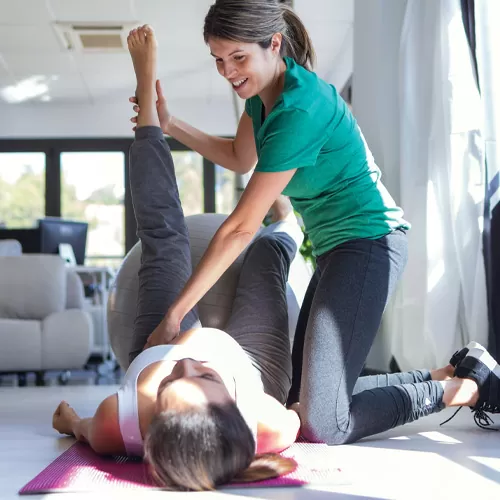
You don’t have to put up with persistent pain, whether it’s in your back, buttocks, or radiating down your leg! The physical therapists at King Physical Therapy will dig down deep to determine the underlying source of your pain, no matter what it is.
Ready to get started? Call us to schedule an appointment today!
Join Us for a Healthier You – Book Today!
Achieve your health goals at King Physical Therapy—reserve your session today!

Happy Valentine’s Day from King Physical Therapy! ❤️ We love helping our patients move better, feel stronger, and get back to doing what they love. Wishing you a day filled with health, happiness, and heartfelt moments.
Our Patients Get Great Results
“Great experience rehabbing my shoulder here after surgery. The staff was very pleasant and knowledgeable.”
-Shannon M.
Exercise of the Month
PRONE HIP EXTENSION
Start by lying face down on the floor. Gently tighten your abdominals/core. While keeping your knee straight, squeeze your butt muscle and slowly raise one leg off the ground. Hold for 2 seconds. Slowly lower and repeat with the other leg.
3 Sets, 10 Reps.

Mental Health and Exercise
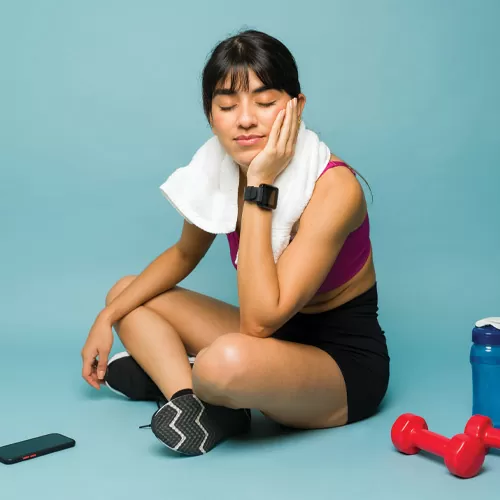
Everyone knows that regular exercise is good for the body. But exercise is also one of the most effective ways to improve your mental health. Regular exercise can have a profoundly positive impact on depression, anxiety, ADHD, and more. It also relieves stress, improves memory, helps you sleep better, and boosts overall mood. And you don’t have to be a fitness fanatic to reap the benefits. Research indicates that modest amounts of exercise can make a difference. No matter your age or fitness level, you can learn to use exercise as a powerful tool to feel better.
Exercise and depression. Maintaining an exercise schedule can prevent you from relapsing. It promotes all kinds of changes in the brain, including neural growth, reduced inflammation, and new activity patterns that promote feelings of calm and well-being. It also releases endorphins, powerful chemicals in your brain that energize your spirits and make you feel good. Exercise can also serve as a distraction, allowing you to find some quiet time to break out of the cycle of negative thoughts that feed depression.
Exercise and anxiety. Anything that gets you moving can help, but you’ll get a bigger benefit if you pay attention instead of zoning out. By adding this mindfulness element—really focusing on your body and how it feels as you exercise—you’ll not only improve your physical condition faster, but you may also be able to interrupt the flow of constant worries running through your head.
Exercise and ADHD. Exercising regularly is one of the easiest and most effective ways to reduce the symptoms of ADHD and improve concentration, motivation, memory, and mood. Physical activity immediately boosts the brain’s dopamine, norepinephrine, and serotonin levels—all of which affect focus and attention.
Exercise and PTSD and trauma. Evidence suggests that by really focusing on your body and how it feels as you exercise, you can actually help your nervous system become “unstuck” and begin to move out of the immobilization stress response that characterizes PTSD or trauma. Instead of thinking about other things, pay close attention to the physical sensations in your joints and muscles, even your insides as your body moves. Exercises that involve cross movement and that engage both arms and legs—such as walking (especially in sand), running, swimming, weight training, or dancing—are some of your best choices.
Outdoor activities like hiking, sailing, mountain biking, rock climbing, whitewater rafting, and skiing (downhill and cross-country) have also been shown to reduce the symptoms of PTSD.
When you’re under the cloud of an emotional disorder and haven’t exercised for a long time, setting yourself extravagant goals like completing a marathon or working out for an hour every morning will only leave you more despondent if you fall short. Better to set yourself achievable goals and build up from there.
February Word Scramble
lotacehoc
eeanlnitv
bauefrry
iprdinehfs
iwentr
aceornm
Answer Key
chocolate
valentine
february
friendship
winter
romance
Thank You for Subscribing!
Follow Us on Facebook

Stay connected with King Physical Therapy on Facebook! Follow us for expert tips on injury prevention, wellness inspiration, and updates on services—all designed to keep you moving and feeling your best.
Valentine’s Day Rose Latte
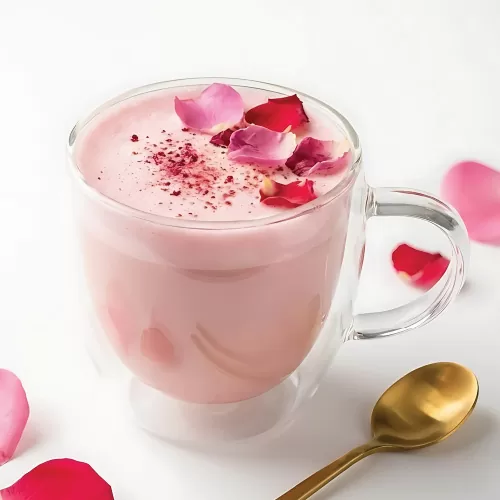
- 2 1⁄2 cups Unsweetened Plant-Based Milk
- 1 tbsp + 1 tsp Maple Syrup
- 1 tsp Beet Powder
- 1 tsp Vanilla Extract
- 2 tsp Rose Water
Optional:
- 1⁄2 tsp Ground Cardamom
- 2 Espresso Shots
Directions: Add the unsweetened plant-based milk, maple syrup, beetroot powder, and cardamom (if using) to a small pot over low heat. Heat on low for about 5 minutes or until warmed to your liking, stirring frequently. Then take off the heat and stir in the vanilla extract & rose water. Pour the espresso shot into your mug (if using). If you have a milk frother, use it to froth the plant-based milk mixture (this is optional too). Pour the rose milk latte into your mug and top with dried rose petals and an extra dash of cardamom if you like. Enjoy!
Meet Our Team

Karla King
PT, MPT, Cert. MDT

Suzanne Gregory
PT, MPT

Monique Mangram
Office Staff