
How To Find Relief From Sciatica

How To Find Relief From Sciatica
Frank’s pain was the worst he’d ever felt. It started in his lower back but then radiated down the back of his leg all the way to his toes. Sometimes, he felt numbness or tingling in his leg, which he found especially concerning. But worst of all, this radiating pain made it almost impossible for him to get around.
Eventually, Frank visited his physical therapist, where he learned this pain had a specific term: sciatica. Its name comes from the fact that it affects the sciatic nerve, which runs from the lower back down into the foot.
Frank also learned that his sciatica, like most people’s, came courtesy of a herniated disc in his lumbar spine. Fortunately, physical therapy is a frontline treatment for herniated discs, and with a month of regular PT sessions, Frank resolved his pain.
Are you experiencing radiating leg pain like Frank? If so, reach out to us at King Physical Therapy. We can help you know for certain if your pain is sciatica or another similar condition — and we can help you find relief with a customized treatment plan.
Call today to schedule your initial consultation!
What Is Sciatica? Symptoms and Causes
Sciatica is a somewhat misunderstood condition. Many people refer to any radiating pain in the back and legs as “sciatica.” In reality, sciatica only refers to pain that stems from pressure or irritation on the sciatic nerve.
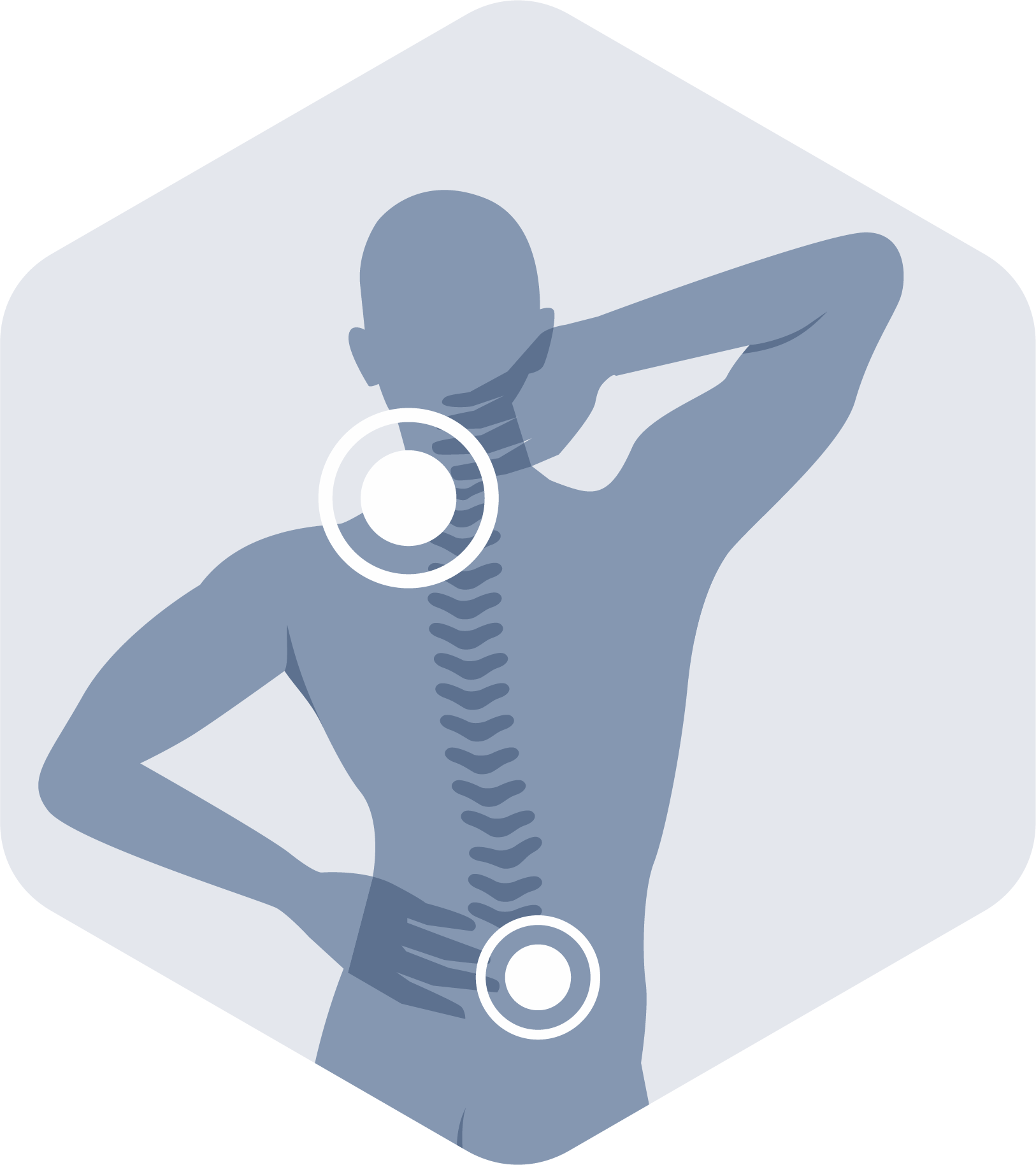
Sciatica’s main symptom is pain that starts in the lower back, radiates into the buttocks, and then runs down the back of one leg into the foot, following the path of the affected sciatic nerve. Often, the leg pain will be worse than the back pain.
However, other symptoms often indicate sciatica, including the following:
- Muscle spasms in the back
- “Pins and needles” sensations in the leg and/or foot
- Numbness in the leg and/or foot
- Shooting or burning pain deep in the buttocks or legs
- Weakness in the affected leg
Sciatica occurs when the sciatic nerve is pinched, compressed, or irritated in some way. But what causes that nerve irritation in the first place?
For most people, as it was for Frank, the answer is a herniated disc. Your spinal vertebrae are cushioned and protected by flexible cartilage discs (spinal discs). If one of these discs bulges or ruptures so that it irritates or pinches the sciatic nerve, you’ll experience sciatica pain.
Other medical issues (such as a bone spur, inflammation related to pregnancy, or a tumor) can also cause sciatica, but these conditions are much more rare. If you have sciatica, the chances are good you have a herniated disc — and that’s something physical therapy can help resolve!
How Physical Therapy Can Help With Sciatic Pain
When treating a herniated disc (and, by extension, sciatica), our therapists will move through the following steps:
- Manage Pain: We’ll develop a plan to address your acute pain, pulling from several options. Gentle spinal mobilizations, soft tissue manipulation of your back muscles, and pain relieving modalities such as TENS or hot and cold therapy can all help.
- Improve Mobility: Movement is crucial in addressing sciatica. Spinal mobilizations play an essential role here, allowing you to move the joint without exerting effort. We’ll also incorporate active stretches and mobility work to help ease range of motion restrictions and prepare your body for the next phase of treatment.
- Strengthen Your Back and Core: As your pain lessens, we’ll begin working to build strength in your core muscles, which stabilize and support your spine. By strengthening these muscles, you can alleviate the pressure on your lumbar spine that contributes to sciatic pain and a herniated disc.
- Educate to Prevent Future Pain: Finally, we can provide the tools to prevent a future bout of sciatica. We might help you develop a home exercise program to keep your spine healthy or show you how to properly lift heavy objects to avoid injury.
Find Sciatica Relief at King Physical Therapy
Sciatic pain can be incredibly intense and often debilitating. Regular physical therapy will help you resolve that pain — and the underlying cause — so you can get back to living a full, healthy life.
To get started with your own personalized sciatica treatment plan, call to schedule an appointment today!
Join Us for a Healthier You – Book Today!
Achieve your health goals at King Physical Therapy—reserve your session today!
Our Patients Get Great Results
“Thorough and passionate about her profession and getting her patients back feeling like they did before their injury. For me it was shoulders and now knee. My first PT experience with another practice was terrible. King not only works you through the exercises they really explain all that is going on with the particular injury and healing. I love this non-surgical non-prescription approach.“
-Scott M.
4 Leaf Raking Tips
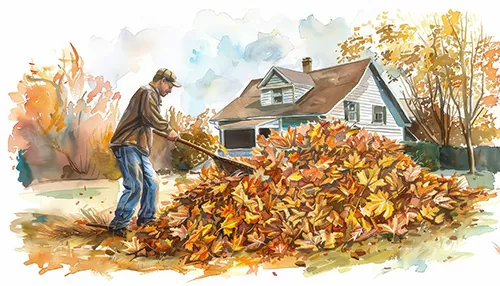
For many of us, autumn is one of the most beautiful times of the year. There’s nothing like the cool refreshing air and breathtaking fall foliage. However, with the changing of the seasons comes a chore that we all dread– raking leaves.
Thankfully, there are a few easy ways to make raking the leaves more enjoyable. If you need help with your follow through on this chore, keep reading!
1. If you can, rake downhill
Raking leaves is hard enough without having to go against gravity. Make this process a little easier on yourself by raking downhill.
2. Pull the leaves towards you as you rake
This technique helps keep stress off your back and prevents injury. For extra preventative measures, tighten your abdominal muscles as you move.
3. Divide your lawn into sections
If you’re dealing with a huge lawn, don’t overdo it by trying to tackle all the space in one day. Instead, divide your lawn into smaller, more manageable sections and spread the work out over a couple days.
4. Wear the proper clothes
To prevent blisters or bug bites, it’s important to wear long sleeves and long pants while raking. It’s also a good idea to invest in a pair of strong gloves to protect your hands while you work.
Thank you for subscribing!
Feel Better by Eating Better!
JACKFRUIT PULLED PORK SANDWICH
- 1 tablespoon canola oil, or high heat oil of choice
- 1 small onion, sliced into strips
- 2 garlic cloves, minced
- 2 (20 ounce or 567 gram) cans young green jackfruit in brine, drained and rinsed
- 2 tablespoons soy sauce
- 1/2 teaspoon liquid smoke
- 1/2 teaspoon smoked paprika
- Pinch cayenne pepper, or to taste
- 1 1/2 cups vegan barbecue sauce
- Salt and pepper, to taste
For Serving
- 6 sandwich rolls
- Vegan coleslaw, or toppings of choice
Directions:
Coat the bottom of a medium skillet with oil and place it over medium-high heat. Give the oil a minute to heat up, and then add the onion. Cook the onion for about 5 minutes, stirring occasionally, until it softens and begins to brown. Add the garlic and cook it for about 1 minute, until it becomes very fragrant. Add the jackfruit, soy sauce and liquid smoke. Cook everything for about 5 minutes, until most of the liquid cooks off. While the jackfruit cooks, use a spoon to begin breaking up the large chunks. Sprinkle the jackfruit with the smoked paprika and cayenne pepper. Stir a few times and continue cooking the jackfruit with the spices for about 1 minute. Stir in the barbecue sauce. Bring the sauce to a simmer, lower the heat and allow it to cook for about 20 minutes, stirring occasionally. You can add a splash of water if the sauce becomes too thick while cooking. While the jackfruit simmers, take a couple of forks and pull the pieces apart to create a stringy texture. The jackfruit is finished cooking when it is tender and stringy, resembling pulled pork, and the sauce is thick. Stuff the pulled jackfruit into buns and top with toppings of choice. Serve.
Meet Our Team

Karla King
PT, MPT, Cert. MDT

Suzanne Gregory
PT, MPT

Monique Mangram
Office Staff