
Looking for Headache Relief? Try Physical Therapy

Looking for Headache Relief? Try Physical Therapy
We’ve all had them, and we all hate them: headaches are an easy way to ruin your day. Headaches and migraines are widespread and can develop for several different causes. Sometimes, those causes stem from musculoskeletal issues. In those cases, physical therapy at King Physical Therapy can help you find relief.
Are you struggling with persistent headaches? Have you tried everything and still aren’t sure what to do to get them under control? Give us a call. We can assess your headache, help identify triggers, and, in many cases, offer pain relief through manual therapy techniques.
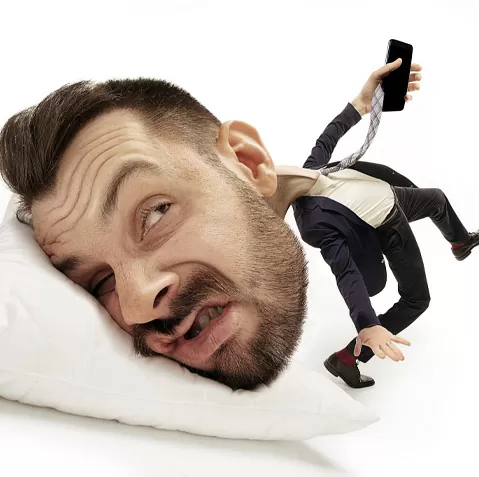
Not All Headaches Are the Same: Deciphering Your Symptoms
One of the reasons addressing headaches can be so difficult is that you need to determine the type of headache you have and its specific cause before you can find the right treatment. Our physical therapists can help with this process by performing a comprehensive evaluation of symptoms and potential triggers.
When you visit us, try to be as descriptive as possible about your headache. Here are some questions to keep in mind:
- Where do you feel your pain? Is it a tight band around your head? Is it behind one eye?
- Did the pain start in a different location (such as your neck) before moving into your head?
- How does the pain feel? Is it throbbing? Dull?
- What were you doing when the headache started?
- If you get frequent headaches, what patterns have you noticed? (For example, maybe you get headaches when you skip breakfast.)
- Are your headaches accompanied by other symptoms, such as nausea or light sensitivity?
In addition to reviewing your symptoms, our PTs might ask you to perform simple movement screens to evaluate your posture or to test the range of motion in your neck. We’ll also ask about any injuries you have suffered to your head, neck, or jaw.
All this information helps us better identify your headache and your options for treating it.
What We Can Do to Help You Find Lasting Headache Relief
Physical therapy is an excellent choice for addressing a specific type of headache: cervicogenic headaches.
Cervicogenic headaches develop due to issues in the neck. They’re a type of referred pain in which the problem in your neck causes pain in your head, usually radiating up the back of your head to the area around your temple, eye, and ear.
Different things can cause cervicogenic headaches, including poor posture, neck injuries, or degenerative conditions in the cervical spine.
If we determine you’re suffering from a cervicogenic headache, we’ll develop a customized plan to manage your headache pain and address the underlying cause. Techniques we might use include the following:
- Manual therapy techniques to mobilize the neck joint and manipulate the neck’s soft tissue
- Stretches to relieve tension and improve mobility in the neck and shoulders
- Strengthening exercises for your neck, upper back, and shoulders to provide additional support and stability
- Postural corrections to keep your entire spine in alignment
What About Other Types of Headaches?
Of course, we may discover you’re suffering from another headache type. In these cases, we may not be able to resolve the underlying cause of your headache (if there is one), but we can help you understand your headache better.
For example, many headaches have specific triggers. Migraines are notorious for this; people can develop migraines due to changes in their sleep schedule, eating certain foods, smelling certain scents, and more. Thanks to our comprehensive assessment, our PTs can help you better identify potential triggers and, if necessary, refer you to another specialist for treatment.
We might also be able to help with acute pain relief. Myofascial release and trigger point therapy are two manual therapy techniques that involve working out restrictions in your myofascia, a band of connective tissue that wraps around your muscles. There’s some evidence that myofascial release can help manage pain from migraines or tension-type headaches (another common headache type). So, while these techniques might not resolve your pain, they offer a drug-free alternative to pain management.
Get Started with Headache Relief Today
If your headache has you at your wits’ end, schedule an appointment with King Physical Therapy. We’ll review your symptoms, help you better understand the potential cause of your headache, and help you find a treatment plan that works for you.
Join Us for a Healthier You – Book Today!
Achieve your health goals at King Physical Therapy—reserve your session today!

Our Patients Get Great Results
“Everyone here is super nice. They are helping me to walk again since I injured my fibular head working.“
-Dakota M.


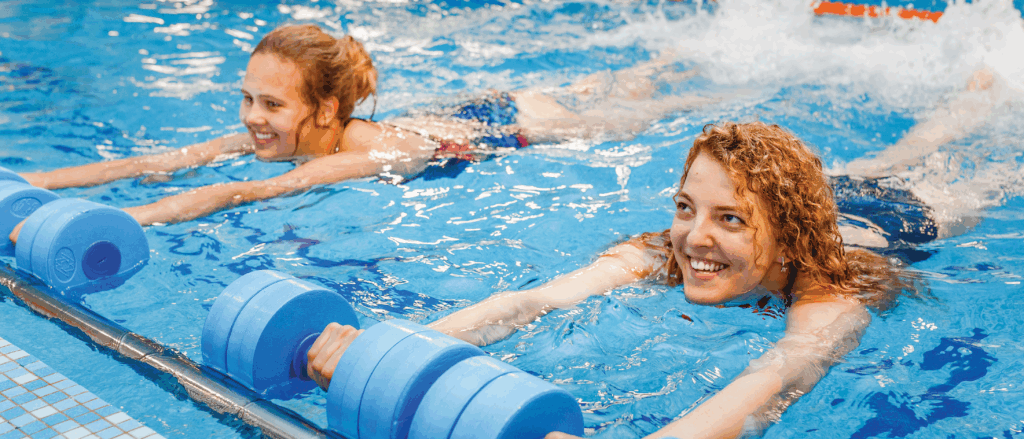
5 Pool Exercises For a Full-Body Workout
Exercising in water can provide a great full-body workout without some of the drawbacks of land-based exercises.
1. Walk in water. It targets your arms, core, and lower body. Keep your arms in the water and move them as you walk. Engage your core and stand tall.
2. Water arm lifts. Using foam dumbbells will help add more resistance. Stand in water up to your shoulders. Hold the dumbbells at your side, with your palms facing up. Draw your elbows in close to your torso as you lift your forearms to the height of the water. Rotate your wrists to turn your palms facedown. Lower your arms back to the starting position. Do 1-3 sets of 10-15 reps.
3. Lateral arm lifts. This exercise, which targets your upper body, is also best done with foam dumbbells. Stand in water up to your shoulders. Hold the dumbbells at your side. Raise your arms to the side until they’re level with the water and your shoulders. Lower your arms back down to your sides. Do 1-3 sets of 8-14 repetitions.
4. Back wall glide. This exercise helps to activate the muscles in your core and lower body. Hold onto the pool ledge, tuck your knees into your chest, and press your feet into the wall. Push off from the wall and float on your back as far as you can. Draw your knees into your chest, press your feet down to the bottom of the pool, and run back to the wall. Continue this exercise for 5-10 minutes.
5. Leg kicks. This exercise works the muscles in your core and legs. Use ankle weights to make it more challenging. Hold onto the pool ledge or hold a kickboard. Alternate flutter kicking, scissor kicking, breaststroke kicking, and dolphin kicking. Do each kick for 1-3 minutes.
Water workouts are an effective way to boost your cardio fitness while strengthening your major muscle groups, but as with any new exercise program, always speak to your physical therapist first. Contact King Physical Therapy to see if aquatic exercise is right for you!
June Word Scramble
cresunnse
teaaldcsns
miwsmngi
avoatnic
gdenidw
refiifsle
Answer Key
sunscreen
sandcastle
swimming
vacation
wedding
fireflies
Thank You for Subscribing!
Follow Us on Facebook

Stay connected with King Physical Therapy on Facebook! Follow us for expert tips on injury prevention, wellness inspiration, and updates on services—all designed to keep you moving and feeling your best.
Healthy Recipe
Pressure Cooker Squash and Lentil Stew
Ingredients
- 2 medium shallots, thinly sliced
- 1 tbsp. finely chopped peeled fresh ginger
- 1 tbsp. vegetable oil
- 1 tsp. ground coriander
- 1/2 tsp. ground cardamom
- 1 small butternut squash, peeled, seeded and cut into 1 1/2” chunks
- 1 lb. green lentils, picked over
- 6 c. vegetable broth
- 5 c. packed baby spinach
- 1 tbsp. cider vinegar
Directions:
In pressure-cooker pot on medium, cook shallots and ginger in oil 5 minutes or until shallots are golden, stirring. Add coriander and cardamom; cook 1 minute, stirring. Add squash, lentils, broth and 1/4 teaspoon salt. Cover, lock and bring up to pressure on high. Reduce heat to medium-low. Cook 12 minutes. Release pressure by using quick-release function. Stir in spinach, vinegar and 1/2 teaspoon each of salt and pepper.
Meet Our Team

Karla King
PT, MPT, Cert. MDT

Suzanne Gregory
PT, MPT

Monique Mangram
Office Staff