
Make A Strong Rotator Cuff Recovery with Physical Therapy
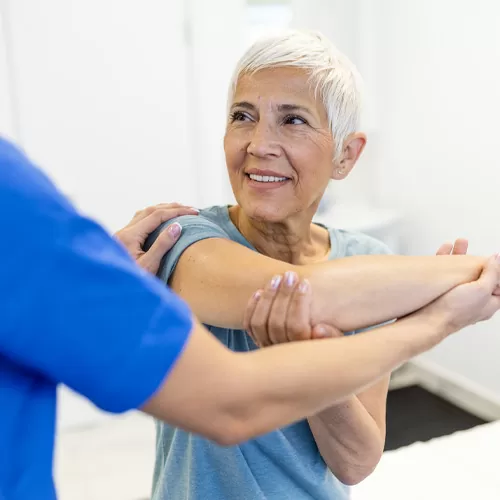
Make A Strong Rotator Cuff Recovery with Physical Therapy
Don’t Skip Your Physical Therapy Appointments After A Rotator Cuff Injury – Here’s Why!
It is estimated that as many as 2 million adults are diagnosed with rotator cuff injuries every year in the United States. Up to 80% of those patients initially choose non-surgical treatments, like physical therapy, to repair and recover from the injury rather than undergoing a surgical procedure. Research suggests that approximately 90% of patients have positive outcomes and improved function with physical therapy, especially when the rotator cuff injury is identified and treated early.
The decision for surgical repair is typically based on factors such as the severity of the injury, the patient’s age and activity level, and their response to non-surgical treatments. Fortunately, physical therapy can help you prepare for surgery, promote healing, and improve your recovery whether you have surgery or not.
Whether you need surgery or not, recover stronger than ever with physical therapy for rotator cuff injuries.
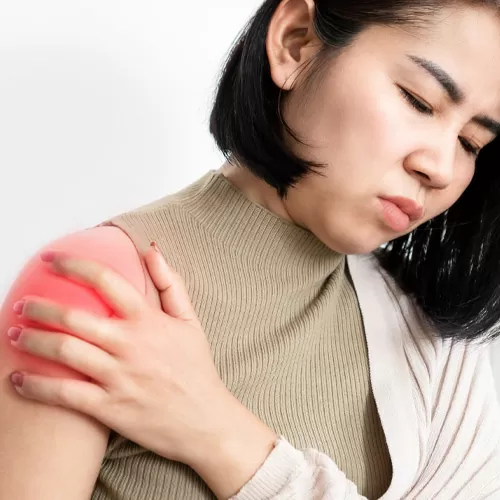
What is a Rotator Cuff Injury?
The rotator cuff is a group of muscles and tendons surrounding the shoulder joint that plays a significant role in the movement and stability of the joint. The muscles work together to stabilize the shoulder joint and facilitate various movements, such as lifting and rotating the arm.
Rotator cuff injuries can occur due to a variety of causes.
- Repetitive overhead motions
- Sudden trauma or injury
- Degeneration due to aging
Physical Therapy Before and After Rotator Cuff Repair Surgery
Considering rotator cuff surgery? Physical therapy can be your secret weapon for a smoother journey before and after the procedure.
Pre-Surgery Advantage:
- Go into surgery stronger: Build muscle strength and control around your shoulder for better support during healing.
- Reduce pain and restore motion: Physical therapists can use manual therapy techniques to minimize discomfort and improve range of motion.
- Recover faster: Stronger muscles translate to a quicker recovery and regaining full shoulder function.
- Prepare mentally: Understand what to expect post-surgery and gain strategies to optimize your recovery, boosting your confidence.
Post-Surgery Benefits:
- Manage pain effectively: Our therapists use a variety of manual techniques and modalities to keep pain at bay.
- Regain lost motion: Our team will help stretch and loosen any restrictions to restore your shoulder’s range of motion.
- Rebuild strength: Regain the strength you lost in your rotator cuff and supporting muscles.
- Return to your life: Physical therapy’s ultimate goal is to help you use your shoulder fully again, allowing you to perform daily activities without limitations.
- Prevent future injuries: Learn exercises to maintain strength and flexibility in your shoulder, reducing the risk of re-injury.
By incorporating physical therapy at King Physical Therapy before and after surgery, you’re setting yourself up for a successful rotator cuff surgery experience!
Expectations from Physical Therapy for Rotator Cuff Rehabilitation
Whether you opt for surgery or not, physical therapy is often the primary approach for rotator cuff injury rehabilitation. Physical therapy sessions may include a combination of techniques to alleviate symptoms and promote healing.
- Manual therapy to reduce pain and help improve blood flow
- Stretching to improve/restore shoulder range of motion
- Strengthening exercises to build the muscles in and around the shoulder joint and shoulder blades
- Functional movements to restore normal use of the shoulder
Personalized Treatment with King Physical Therapy
We begin every program with a detailed assessment of your health history and existing condition. Next, we conduct a comprehensive physical examination, including range of motion and strength testing. We’ll discuss your questions and concerns and set achievable goals for your recovery. You can expect a comprehensive therapy that includes:
- Emphasizing the importance of consistency with exercises to perform at home between sessions to maintain progress.
- Providing guidance on proper mechanics, posture, and techniques for activities involving the shoulder to prevent future injuries or re-injury of the rotator cuff.
- Preparing for a gradual reintroduction of activities and sports after recovery.
- Highlighting the significance of long-term maintenance through periodic check-ins, continued home exercises, and continuing a healthy lifestyle to maintain the strength and function of the rotator cuff.
A strong rotator cuff recovery with physical therapy involves a comprehensive approach that addresses pre and post-surgery needs or non-surgical treatment. With the guidance of our skilled physical therapists and your commitment to the rehabilitation process, you can regain shoulder function, mobility, and quality of life.
Early preparation and treatment are the keys to success, so give us a call today to schedule a consultation.

Join Us for a Healthier You – Book Today!
Achieve your health goals at King Physical Therapy—reserve your session today!

Our Patients Get Great Results
“Love them! Couldn’t find the button for six stars!“
-Kyle J.

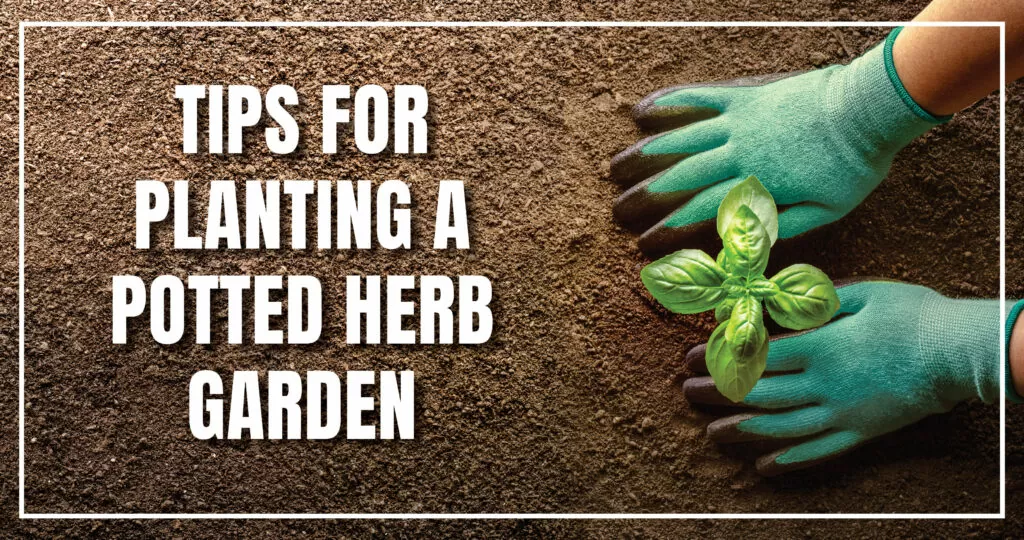
Have you been wanting to get into gardening, but don’t have the yard space? Consider planting a potted herb garden!
Container gardening is easy, convenient, and leaves you with a supply of beautiful fresh herbs. Almost any herb can be grown in a container, so the possibilities are endless!
Here are a few tips and tricks to ensure your potted herb garden is successful this spring:
1. Be mindful of what you plant.
One of the exciting things about a potted herb garden is that you can grow as many different types of herbs as you want in the same container. However, before you start planting, be sure to do some research on the sun, water, and soil requirements of each herb.
For example, rosemary prefers hot and dry conditions, whereas parsley requires consistent moisture. As a result, they would not get along in the same pot.
2. Choose the right container.
As long as it has good drainage, you can use almost anything as an herb container. However, it’s important to be aware that using smaller pots means you need to be extra cautious in how much you water your herbs. Too much or too little water can be especially detrimental to an herb in a small pot.
3. Use high quality soil.
The best way to ensure a healthy start to your container garden is by using high quality soil. Container soil should be lighter in density than traditional garden soil. You can also add organic matter, like perlite or peat moss, to the mixture to improve drainage and moisture retention.
We hope you’re feeling ready to get started on your potted herb garden this spring. Remember to have fun and good luck!

Thank You for Subscribing!
Follow Us on Facebook

Stay connected with King Physical Therapy on Facebook! Follow us for expert tips on injury prevention, wellness inspiration, and updates on services—all designed to keep you moving and feeling your best.
Healthy Recipe
Pineapple Green Smoothie
Ingredients
- ½ cup unsweetened almond milk
- ⅓ cup nonfat plain Greek yogurt
- 1 cup baby spinach
- 1 cup frozen banana slices (about 1 medium banana)
- ½ cup frozen pineapple chunks
- 1 tablespoon chia seeds
- 1-2 teaspoons pure maple syrup or honey (optional)
Directions:
Add almond milk and yogurt to a blender, then add spinach, banana, pineapple, chia seeds and sweetener (if using); blend until smooth.
Meet Our Team

Karla King
PT, MPT, Cert. MDT

Suzanne Gregory
PT, MPT

Monique Mangram
Office Staff