
Common Causes of Foot Pain–And How Physical Therapy Can Help

Common Causes of Foot Pain–And How Physical Therapy Can Help
You want to go for a nice evening stroll or spend an afternoon at the mall. But that pain in your foot makes prolonged walking seem like an impossibility. Now what?
Foot pain is a common problem–and one that can have a significant impact on your day-to-day life. If severe enough, it becomes a risk factor for other concerns, particularly among older people, including decreased balance, increased fall risk, and general loss of mobility.
Fortunately, physical therapy at King Physical Therapy can help you find relief. Our team of experts will dig down to identify the root cause of your pain. Then, we’ll develop a customized treatment plan to resolve the underlying injury or condition, helping to ensure lasting relief.
Don’t let foot pain hobble you completely! Give us a call to set up an appointment to uncover the source of your foot discomfort.
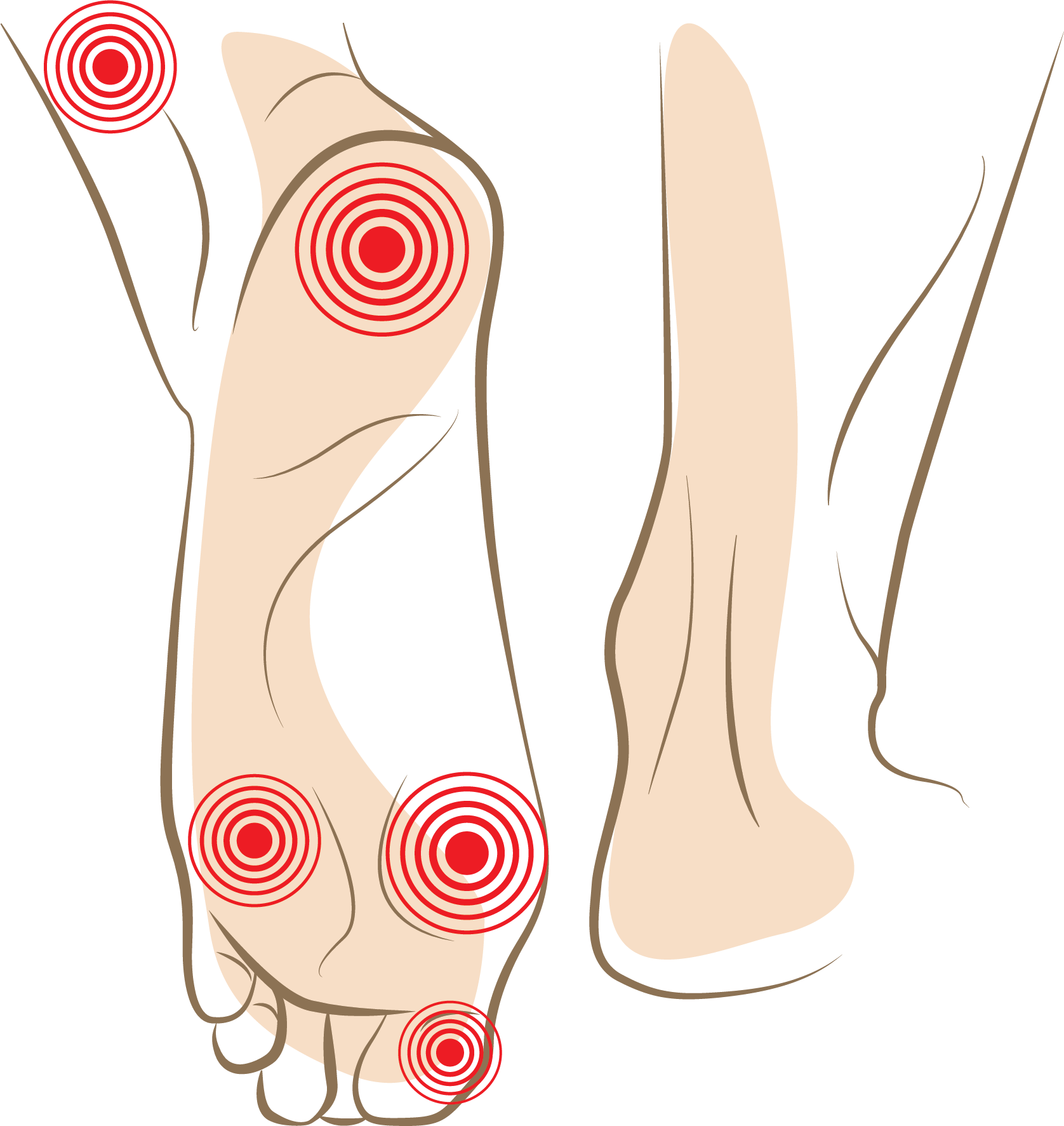
What Are the Common Causes of Foot Pain?
When determining the source of your foot pain, you’ll first want to pinpoint where the pain is coming from. Is it along the bottom of your foot? Is it along the top of your foot? In your heel? Could your ankle be involved?
Our therapists will conduct a detailed evaluation to ensure we fully understand your symptoms. We’ll review your health history and recent activities and perform a physical examination that gives a complete picture of your condition. From there, we can determine the underlying injury or condition causing you pain.
While causes of foot pain vary wildly, here are some of the most common:
- Plantar Fasciitis: This is the most common cause of foot pain, occurring in about 10% of the general population. It causes pain and stiffness along the bottom of your foot and into your heel and occurs when certain tissue (the plantar fascia) becomes swollen and inflamed.
- Achilles Tendonitis: Another example of inflammation in foot tissue, Achilles tendonitis causes pain and range of motion restriction in the tendon that runs along the back of your heel (the Achilles tendon).
- Heel Spurs: This condition refers to a bony growth that develops on your heel bone due to stress and strain on the ligaments and tendons.
- Stress Fractures: Stress fractures are small cracks in the bone that generally occur due to overuse. While they can happen anywhere, your feet are particularly susceptible as they absorb much of the impact from activities like running, excessive walking, and jumping.
What Physical Therapy Can Do To Help
Once our therapists have determined the source of your foot pain, we’ll work with you to develop a customized treatment plan that manages symptoms, improves functionality, and, in many cases, resolves the underlying condition. We customize every plan to suit your needs, pulling from various treatment options.
Here are just a few techniques we might incorporate:
- Manual Therapy: Manual therapy offers drug-free pain management and a gentle way of improving foot mobility. Techniques like myofascial release, soft tissue manipulation, and joint mobilization offer unique benefits.
- Therapeutic Exercise: We’ll provide a targeted, personalized exercise program to stretch and strengthen your foot and ankle muscles. Depending on your needs, we can also work on balance, overall mobility, and coordination.
- Modalities: Various treatment modalities, such as hot and cold therapy, electrostimulation, and ultrasound techniques, can provide additional pain relief.
- Lifestyle Modifications: Often, foot pain stems from lifestyle factors, such as wearing improper footwear or starting a new high-impact exercise regimen. We’ll help you identify these factors and suggest strategies for managing them.
During your sessions, we’ll generally begin with acute pain relief through manual therapy techniques or pain-relieving modalities. Then, we’ll move on to targeted exercises. Our therapists will ensure you perform those exercises correctly and monitor your progress, increasing the intensity as you improve.
We’ll also suggest things you can do on your own, such as self-massage techniques, additional exercises, or footwear changes.
Schedule An Appointment Today
The first step in resolving your foot pain is correctly identifying its cause. To learn why your foot is hurting, call King Physical Therapy to schedule your initial consultation. We’ll have you on your way to an active lifestyle in no time!

Join Us for a Healthier You – Book Today!
Achieve your health goals at King Physical Therapy—reserve your session today!
Our Patients Get Great Results
“Everyone here is super nice. They are helping me to walk again since I injured my fibular head working.“
-Dakota M.
3 Ways to Practice Gratitude
Did you know that being grateful is actually good for your health? It’s true!
We all love Thanksgiving for the excellent food, football, and time spent with family, but truthfully, this holiday means much more. Practicing gratitude can lead to greater happiness all year long.
According to Harvard Health Publishing, “Gratitude helps people feel more positive emotions, relish good experiences, improve their health, deal with adversity, and build strong relationships.”
If you want to implement more gratitude in your own life, take a look at these 3 tips.

1. Write thank you letters
Remember writing thank you letters? How long has it been since you wrote one? You don’t need to have a wedding, graduation, or other big life event to thank the people in your life. Try writing thank you letters to your friends and family for the little things– you’ll be surprised at how good it feels!
2. Write down what you are grateful for every day
This might sound intimidating, but it doesn’t have to be! Take a few minutes each morning or evening to write down at least 3 things that you are grateful for in your life. This repeated action helps us shift into a more positive mindset and can help fight symptoms of depression and anxiety.
3. Use visual reminders
It can be hard to remember to practice gratitude. Something as simple as sticky notes, a poster, or even your home screen on your phone or laptop can help us remember to slow down and shift to a positive mindset.
Thank You for Subscribing!
Follow Us on Facebook

Stay connected with King Physical Therapy on Facebook! Follow us for expert tips on injury prevention, wellness inspiration, and updates on services—all designed to keep you moving and feeling your best.
Feel Better by Eating Better!
Pumpkin Soup
- 6 cups vegetable stock
- 1 ½ tsp salt
- 4 cups pumpkin puree
- 1 tsp chopped fresh parsley
- 1 cup chopped onion
- ½ tsp chopped fresh thyme
- 1 clove garlic, minced
- ½ cup heavy whipping cream
- 2 tsp black pepper
Heat stock, salt, pumpkin, onion, thyme, garlic, and peppercorns. Bring to a boil, reduce heat to low, and simmer for 30 minutes uncovered. Puree the soup in small batches (1 cup at a time) using a food processor or blender. Return to pan, and bring to a boil again. Reduce heat to low, and simmer for another 30 minutes, uncovered. Stir in heavy cream. Pour into soup bowls and garnish with fresh parsley.
Meet Our Team

Karla King
PT, MPT, Cert. MDT

Suzanne Gregory
PT, MPT

Monique Mangram
Office Staff