
Find Relief from Spinal Stenosis Pain
Find Relief from Spinal Stenosis Pain
One of our patients (let’s call her Sally) was in her late 60s when she started to experience numbness and weakness in her legs. While she’d been diagnosed with osteoarthritis of the back a few years earlier, she’d never experienced these symptoms before.
Unfortunately, the combination of these new symptoms with her osteoarthritis pain was really impacting her quality of life. She struggled to walk and found that the new symptoms lessened when she sat down–making it much harder for her to stay active, which was crucial in managing her OA pain.
Eventually, Sally reached out to us at King Physical Therapy, as we had helped address her osteoarthritis symptoms. There, she learned that she had developed spinal stenosis, a narrowing of the spinal canal.
The good news is that physical therapy helped manage her spinal stenosis symptoms, just as it helped manage her OA symptoms. With a comprehensive pain management program and some adjustments to her exercise plan, Sally was active and thriving once again.
What Exactly Is Spinal Stenosis?
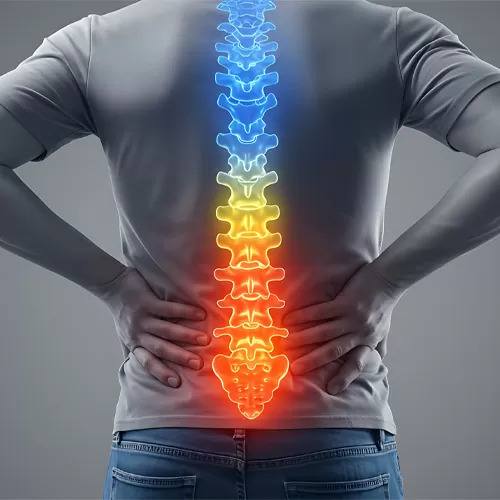
Your spine is made up of several vertebrae stacked on top of each other. Each of these vertebrae is hollow in its center, forming your spinal canal–a column through which your spinal cord runs.
Spinal stenosis occurs when a section of the hollow space in your vertebrae narrows. This puts pressure on your spinal cord and causes your symptoms.
Spinal stenosis can develop anywhere in your spine, but most people will develop it in their cervical spine (neck) or lumbar spine (lower back). Your symptoms will vary based on which part of your spinal column has narrowed.
Symptoms of Cervical Spinal Stenosis
- Neck pain
- Numbness and tingling that radiates from your neck and down into your arms, wrists, and hands
- Weakened arm or hand strengths
Symptoms of Lumbar Spinal Stenosis
- Lower back pain
- Burning or aching pain that radiates down into your legs and worsens when you’re standing up
- Numbness or tingling of the legs and feet that, again, worsens when standing
- Weakness in your lower extremities
Spinal stenosis can develop for a variety of reasons. Perhaps the most common is simply aging. Your spinal structure changes as you get older, and those changes can lead to the compression that closes in on the spinal cord.
Osteoarthritis, itself a degenerative condition, can also contribute to spinal changes that lead to spinal stenosis, including the development of bone spurs on the spine.
However, other conditions can contribute to spinal stenosis, too, including spinal injuries and bone diseases.
Relieving Spinal Stenosis Symptoms with Physical Therapy
Like other degenerative conditions, spinal stenosis can’t be cured–but, as Sally discovered, you can manage your symptoms and live a rich, active life. Physical therapy at King Physical Therapy helps you get there.
We’ll work closely with you to develop a personalized treatment plan that addresses your unique needs and goals. The details of every plan will vary, but we employ therapeutic exercise as a base–movement is one of the best ways to manage spinal stenosis discomfort.
Here’s what might be included in your plan:
Postural Adjustments:
We’ll show you movements or postural corrections that can help relieve pressure from your spine, minimizing discomfort.
Pain Management Techniques:
We can also help with immediate pain relief using manual therapy and/or pain-relieving modalities.
Mobility Work:
Gentle stretches can help improve the range of motion in your back, arms, and legs
Strength-Training:
Building strength throughout your trunk and extremities helps support and stabilize your spine, removing pressure from the impacted area.
Aerobic Exercise:
Finally, we’ll help you develop a tailored exercise program that will help ease you back to regular physical activity (like walking).
Braces or Other Adaptive Equipment:
For some people, a back brace will help support the spine, allowing you to move and exercise more easily. People with extremely weak core muscles may benefit from temporary or limited use to help with daily function while building their strength.
Suspect Spinal Stenosis? Make Your Appointment Today
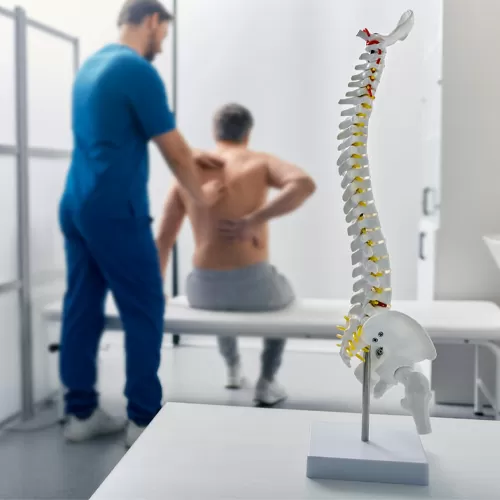
Because spinal stenosis resembles other age-related conditions, it’s essential that you undergo a comprehensive exam to confirm what exactly is causing your discomfort. The King Physical Therapy therapists will discuss your health history and symptoms before conducting several movement screens to confirm your diagnosis.
So, if you’ve been struggling with spinal pain and radiating numbness, call us for an appointment. We’ll dig down to the root cause of your symptoms–and help you find lasting relief.
Join Us for a Healthier You – Book Today!
Achieve your health goals at King Physical Therapy—reserve your session today!

Our Patients Get Great Results
“I attended the free seminar in hopes of finding some relief of constant back pain. I was involved in an auto accident many years ago and suffered for (10+) years. I was at the point of looking to have surgery.
After the seminar, I spoke to Karla 1 on 1 and she knew she could help me in 10-12 visits. Well, I was skeptical, but I had nothing to lose I figured, so I signed up.
I had pain working in the garden, standing, washing dishes, bathing the dog, and anything bending!
After 15 visits, WOW! I can’t believe the difference. I now know the exercises to help my back. You have to be religious about doing the home exercises!!
The staff is dedicated and trained to work at any level to get you through your difficulties, but you have to be willing to put the time and effort into your healing!
I can’t say enough positive statements about that “Crew”, I love their dedication!
Thank you, thank you, thank you!!!”
-Lori H.
Exercise of the Month
LOWER TRUNK ROTATIONS
Start by lying face up on the floor with your knees bent. Allow your knees to slowly drop to one side. Your lower back should rotate, but your shoulders should stay flat on the ground. Hold for 30 seconds. Bring your knees back up and then drop them to the opposite side.
2 Sets, 2 Reps.

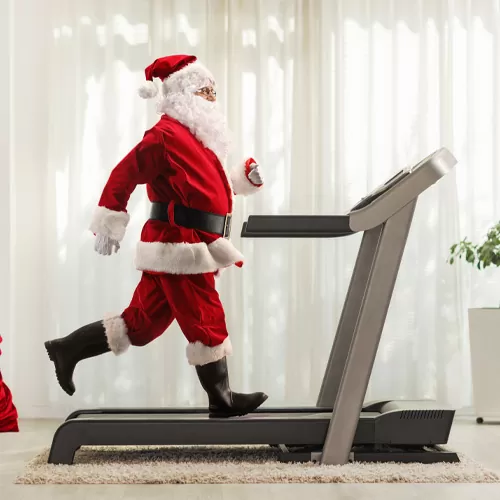
Tips for a Healthy Holiday Season
The holiday season is upon us, and getting wrapped up in the fun, festivities, and food is easy. While the joy of the season sparks a feeling of goodwill towards others, it’s also important to remember our physical well-being.
Keep yourself feeling your best to enjoy the holidays by following these three tips:
- Remember to Move: Prioritize exercise by taking a 20-minute brisk walk or doing a home workout. Movement can do wonders for your physical and mental well-being.
- Eat with Moderation: With tempting holiday treats all around, balance sweets with wholesome meals that include fruits, vegetables, and lean proteins.
- Mind Your Posture: Whether cooking, wrapping gifts, or working from home, being aware of your posture helps minimize back and neck pain.
Prioritizing your physical well-being helps you to be present and active in celebrating the holiday season with loved ones!
Here’s to a healthy, happy holiday season and a fantastic new year ahead!
December Word Scramble
vegnreree
wannsmo
rewtah
ircfapeel
eslhgi
ilodyha
Answer Key
evergreen
snowman
wreath
fireplace
sleigh
holiday
Thank You for Subscribing!
Follow Us on Facebook

Stay connected with King Physical Therapy on Facebook! Follow us for expert tips on injury prevention, wellness inspiration, and updates on services—all designed to keep you moving and feeling your best.
Christmas Toffee

- 1 sleeve of Ritz Crackers (about 16 crackers)
- 1/2 cup butter (1 stick)
- 1/2 cup brown sugar
- 1 cup chocolate chips
- Peppermint candy
Indulge in the sweet, crunchy joy of this irresistible Christmas Toffee recipe—perfect for sharing or savoring all to yourself. It’s a festive treat that brings holiday cheer with every delicious bite!
Directions: Preheat your oven to 425˚ and line 8 x 8 baking dish with parchment paper. Cover bottom of pan with crackers. Combine brown sugar and butter in a pan and bring to a boil. Boil for 3 min WITHOUT stirring. Immediately pour mixture over crackers in the pan and spread evenly. Bake for 5 min to thicken and set the caramel. Remove from oven and sprinkle chocolate chips evenly over the top. Place the pan back in oven for about 2 min or until chocolate is soft enough to spread. Immediately spread melted chocolate chips so that you have a nice even layer. Sprinkle with crushed peppermint candy. Cool completely then refrigerate for 2 hours or until hard enough to break apart.
Meet Our Team

Karla King
PT, MPT, Cert. MDT

Suzanne Gregory
PT, MPT
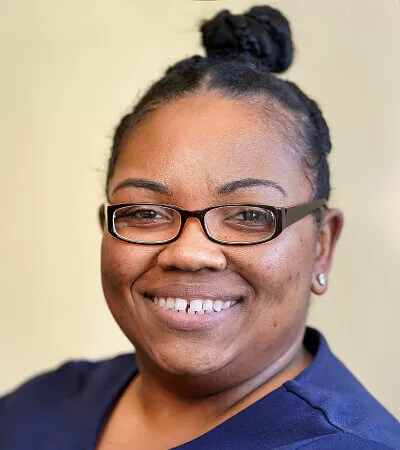
Monique Mangram
Office Staff